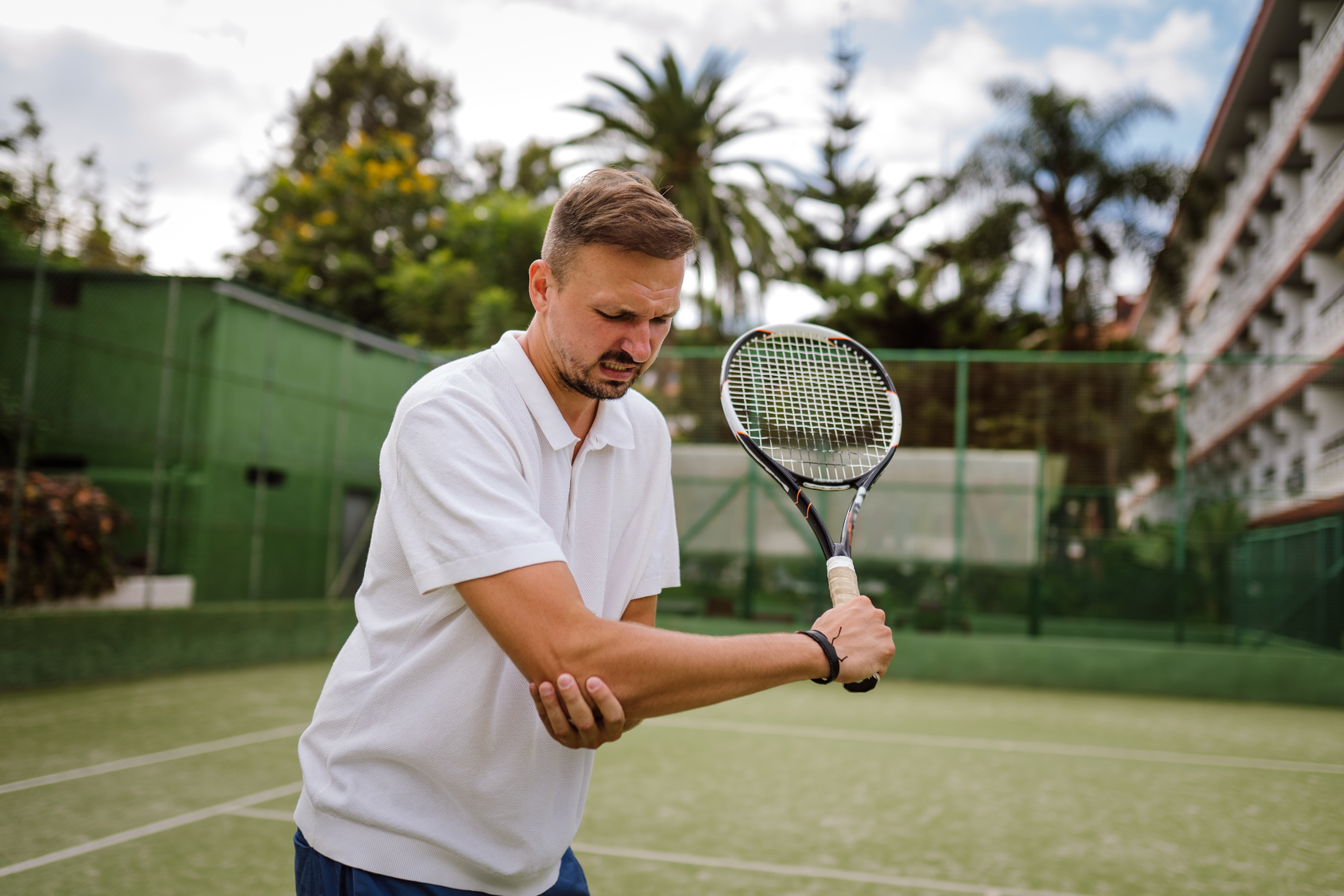

You came off the field, the court, or the track, and something does not feel right. Your knee took a knock. Your shoulder went the wrong way. Your ankle rolled on a pivot you have done a thousand times before. Within minutes, you are sitting on the sideline running through the same mental checklist every active person knows: Is this serious? Can I keep going? Do I need to get this looked at?
The instinct most athletes follow is familiar. Rest it. Ice it. Give it a few days. If it is still sore by the weekend, reassess. For many minor injuries, that approach is reasonable. But for active people - whether you train three times a week or compete at a serious level - the underlying question is rarely just about pain. It is about what the injury actually is, what it means for your training, and whether waiting is the right call or the wrong one.
That question does not always have an obvious answer standing in the car park after a game.
Sports injury telehealth has grown considerably as a genuine clinical option across Australia, and with it comes a reasonable amount of scepticism. Can a video call actually assess a sports injury? What can an online specialist realistically see, interpret, and advise on - and where does the process fall short? These are fair questions, and they deserve a straight answer.
This article provides one. It covers what a specialist video consultation can assess well, what genuinely requires in-person review, and how a structured orthopaedic telehealth appointment differs from a standard GP call or a generic online consult. The goal is not to oversell what is possible online. It is to give you enough clarity to make a confident decision about your next step.
Why Do Sportspeople Often Delay Getting a Proper Assessment?
There is a particular mindset that active people develop over years of training and competing. Discomfort is familiar. Soreness after a hard session is expected. The ability to push through and keep moving is often worn as a point of pride. For many athletes - whether they are playing weekend club football or training six days a week - the default response to an injury is to minimise it until they cannot.
That conditioning is not irrational. Most niggles do resolve. Most soreness does settle. The problem is that the injuries which genuinely require attention do not always announce themselves loudly at the start.
Practical barriers compound the hesitation. Securing a GP appointment can take several days. A referral to an orthopaedic specialist typically adds another week or two to that timeline. Many active people are reluctant to sit in a waiting room for what might turn out to be nothing, particularly when they are not sure whether the injury warrants that level of attention in the first place. For those unfamiliar with private specialist fees, the cost feels uncertain before the severity of the injury is even understood.
Club physiotherapists and sports trainers fill an important role in this gap. They are often the first to provide a grounded assessment and, critically, the first to recognise when an injury needs further investigation beyond what they can provide on the field or in the training room. When a physio recommends seeking a specialist opinion, that recommendation is worth acting on - and acting on promptly.
The pattern that results from all of this is common and well recognised. An athlete carries an injury through several more training sessions, adapts their movement to protect the sore area, and presents to a specialist weeks or months later with a problem that has become more entrenched in the interim. What began as a potentially straightforward injury has become more complex, shaped not by the original mechanism but by time and continued loading.
Getting a clear specialist opinion early is not overreacting. For injuries involving ligaments, joints, and bone, early clinical direction shapes the recovery pathway in ways that delayed assessment often cannot recover. The purpose of this article is to explain how that early direction is now accessible without requiring a waiting room, thanks to AVA Orthopaedics.
What Can Actually Be Assessed in an Online Sports Injury Appointment?

This is the question most people arrive with, and it deserves a direct answer.
A structured video consultation with a sports injury specialist can assess and address significantly more than most people expect. The distinction worth understanding is that a specialist orthopaedic telehealth appointment is not a quick triage call. It is a detailed clinical consultation that draws on injury history, symptom review, observed movement, and imaging interpretation to build a clear picture of what is happening and what needs to happen next.
Clinical history and mechanism of injury
How an injury occurred carries substantial diagnostic weight. The direction of force, the movement pattern involved, the immediate response from the body, whether there was instability, swelling, an audible sound, or an immediate loss of function - all of this provides clinically meaningful information. A structured consultation thoroughly collects this history, and an experienced online sports injury doctor uses it alongside other findings to inform the assessment.
Current symptoms and functional status
Pain location, the nature and behaviour of that pain, range of movement, weight-bearing capacity, and functional limitations during specific activities can all be evaluated within a structured clinical interview. Where appropriate, the specialist can observe movement and range of motion directly on the video call, asking the patient to move the affected area in specific ways to assess what is and is not restricted. This adds a practical observational layer that most people do not anticipate from a video appointment.
Imaging review and interpretation
For patients who have already had an X-ray, MRI, or ultrasound, the orthopaedic specialist can review and interpret that imaging during the consultation. This is frequently the most clinically valuable part of the appointment. Many patients have received imaging but have been given only a brief or generic explanation of what it shows. A specialist reviewing that imaging in the context of a full clinical history provides a different level of insight: what the finding means, whether it is consistent with the injury mechanism, and what it implies for management.
Diagnosis or working diagnosis
In many cases, a clear diagnosis or a well-reasoned working diagnosis can be reached during the consultation. Where further imaging is required to confirm the clinical picture, that imaging can be arranged as part of the AVA Orthopaedics pathway, with a follow-up consultation to review the results included.
A structured management plan
The consultation produces a personalised management plan covering activity modification, pain management, rehabilitation direction, return-to-sport guidance, and where relevant, clarity on whether a surgical pathway warrants consideration. A written clinical summary is provided to both the patient and their GP.
For active people carrying an injury and looking for clear direction, this is what a specialist-level assessment delivers online. It is not a substitute for every in-person assessment. But for a substantial proportion of sports injuries, it provides the clinical clarity needed to move forward with confidence.
What Kinds of Sports Injuries Are Well-Suited to an Online Assessment?

Not every injury is appropriate for a sports injury telehealth consultation as a first step. The next section below covers the exceptions clearly. But a wide range of common sports injuries are well suited to the AVA Orthopaedics model, particularly where imaging has already been completed or where clinical history provides a substantial part of the diagnostic picture.
AVA Orthopaedics has sports injury specialists who assess injuries involving the bones, joints, muscles and ligaments of the upper and lower limbs. The following presentations are among those regularly managed through a specialist video consultation.
Knee injuries
Suspected ligament tears, including ACL, MCL and PCL injuries, meniscal damage, kneecap pain, and post-traumatic swelling are among the most common presentations. These injuries often occur in a clearly defined moment, involve a specific mechanism, and are well characterised through clinical history and MRI findings.
Shoulder injuries
Rotator cuff tears and strains, labral injuries, AC joint injuries, and dislocations that have already been reduced are all appropriate for online specialist review. Shoulder injuries in athletes are frequently under-investigated after the initial acute phase, and specialist direction around whether imaging is needed and what management is appropriate can be established without an in-person visit.
Ankle injuries
Ligament sprains that are not settling as expected, suspected fractures following an initial emergency department review, and ongoing instability after a significant roll are well-suited to this pathway. A footballer who has rolled their ankle badly, had X-rays in the emergency department confirming no fracture, and is now unsure whether the ligament damage requires specialist management is a straightforward example of the patient this consultation is designed for.
Wrist and hand injuries
Scaphoid injuries, wrist ligament injuries, and finger and thumb injuries - common in contact and ball sports - can be assessed effectively online, particularly when imaging is available or when the injury mechanism and symptom pattern provide a clear clinical picture.
Elbow injuries
Tennis elbow (lateral epicondylitis), medial ligament injuries in throwing athletes, and post-dislocation reviews are appropriate presentations. Throwing athletes, in particular, often delay seeking specialist input for elbow complaints, and early direction significantly affects how these injuries are managed.
Hip and groin injuries
Labral tears, hip flexor injuries, and adductor strains that require specialist direction rather than general physiotherapy guidance are well-suited to an online orthopaedic consultation. These injuries are frequently mismanaged in the early stages due to a lack of clear diagnosis.
Foot injuries
Plantar fascia injuries, stress fracture assessment, and post-imaging review for foot and heel complaints are regularly managed through the AVA Orthopaedics pathway.
Across all of these injury types, the clinical history and imaging findings provide the majority of the diagnostic information a specialist needs. Physical examination adds detail, but for many of these presentations, an experienced orthopaedic clinician can establish a clear and well-reasoned clinical picture without being in the same room.
What Sports Injuries Are NOT Appropriate for an Online Assessment First?
Answering this honestly is part of what makes a specialist assessment useful. Not every injury should begin with a sports injury telehealth consultation, and being clear about that is more important than casting the net as wide as possible.
There are specific situations where in-person care at an emergency department or with a GP must come first. If any of the following apply, seek an in-person assessment before booking an online consultation.
Go to an emergency department first if:
- The injury involves an open or significantly bleeding wound near the affected area
- A limb, joint, or finger appears visibly deformed, bent, or out of position
- The injury followed a high-impact event - such as a collision, a fall from a height greater than two metres, or a high-speed accident - and you have not yet been assessed in person
- There has been a head injury, concussion, or any loss of consciousness that has not yet been reviewed
- There are concurrent injuries to the head, chest, abdomen, or spine that have not been assessed
- You are completely unable to weight-bear immediately after injury, and no imaging has been done
These are not situations where a video consultation is the right starting point. They require hands-on clinical assessment, and in some cases, urgent investigation.
It is also worth noting that AVA Orthopaedics focuses specifically on limb injuries - including the upper and lower limbs - and does not provide assessments for back or neck pain.
What is common, however, is a different scenario. Many sporting injuries do receive an initial emergency department or GP review, and patients leave with a basic assessment and, in some cases, imaging. What they often do not receive is a clear specialist opinion on what comes next. Once the acute phase has passed and there are no ongoing red-flag symptoms, an AVA Orthopaedics consultation is a structured and appropriate next step to get that clarity.
Are Online Orthopaedic Consultations Thorough?
For most limb injury presentations, yes - and understanding why requires looking at how an orthopaedic assessment actually works.
It is a reasonable question, and the scepticism behind it is understandable. The assumption that in-person always means better is deeply ingrained, particularly in a medical context. For some clinical situations, that assumption holds. For specialist orthopaedic assessment of a limb injury, the gap between in-person and online is considerably smaller than most people expect.
An orthopaedic consultation draws on three primary sources of information: clinical history, physical examination, and imaging. Understanding what each contributes helps clarify what an online assessment can and cannot offer.
Clinical history and injury mechanism are, in many presentations, the most diagnostically powerful elements of the assessment. How the injury occurred, the forces involved, the immediate response of the body, the pattern of symptoms since then, and the functional picture in the days following an injury carry significant diagnostic weight. This information is collected thoroughly in a structured video consultation.
Physical examination adds important detail, particularly in the acute phase. But for many limb injuries - especially once initial swelling has begun to settle - examination findings are frequently confirmatory rather than conclusive. They support the picture that history and imaging have already shaped. Range of motion can also be directly observed during the video consultation, with the clinician guiding the patient through specific movements to assess what the affected area can and cannot do.
Imaging, when available and interpreted by a specialist in the context of the clinical history, carries substantial diagnostic weight. This is precisely where telehealth sports medicine - when delivered at a specialist level - provides a clinical contribution that a standard GP appointment or a brief radiology report often does not.
AVA Orthopaedics consultations are structured around this reality. They are longer and more detailed than a standard telehealth check-in. The clinician is experienced specifically in orthopaedic injury assessment, and every appointment includes documented clinical findings and a written management plan.
Where physical examination would genuinely alter management, and where movement cannot be adequately assessed via video, AVA Orthopaedics can arrange in-person review or prompt targeted imaging to address the clinical gap. The online model is not a workaround. It is a deliberate approach, designed around the way orthopaedic assessment actually works and the information sources that drive clinical decision-making within it.
How Quickly Can You Get an Online Sports Injury Assessment?
The pathway from injury to specialist-level clinical direction is one of the most significant practical differences between AVA Orthopaedics and the traditional referral route.
For active people, time without a clear diagnosis and structured plan is not a neutral state. It is time away from training, time modifying movement without knowing whether that modification is appropriate, and in some cases, time that allows an injury to progress in a direction that early specialist input might have redirected.
The traditional pathway for a sporting injury in Australia is familiar to most people who have been through it. A GP appointment typically takes several days to secure. The GP then issues a referral for imaging, which may be available relatively quickly or may take longer depending on location and availability. The patient then needs to go back to the GP for a review of the imaging. A referral to a specialist follows, and the specialist appointment itself may be weeks away. By the time a patient sits in front of an orthopaedic specialist, reviews their imaging, and receives a structured management plan, they may be three to six weeks post-injury with no clear recovery direction behind them.
For a competitive athlete or a committed recreational player, six weeks of clinical uncertainty carries real consequences. Missed training blocks, modified participation without appropriate guidance, loss of fitness, and in some cases, injury progression from continued loading without a management plan.
AVA Orthopaedics is designed to reduce that gap. Appointments are available through an online booking system via HealthEngine, a trusted medical booking platform used widely across Australia. No referral is required for the Early Injury Assessment pathway. For patients who have not yet had imaging completed, it can be arranged as part of the AVA Orthopaedics pathway, with an included follow-up consultation to review the results.
For a patient who engages with the process promptly after injury, the pathway from booking to specialist-level clinical direction is considerably shorter than the traditional referral route. The aim is not simply faster access for its own sake. It is earlier clinical clarity, at the point in the injury timeline when that clarity shapes recovery most effectively.
For the club footballer, the weekend tennis player, the recreational runner, or the competitive swimmer - that difference is meaningful.
What Happens After Your Online Sports Injury Assessment?
A consultation is only useful if it produces something actionable. Here is what follows an AVA Orthopaedics video appointment.
A written clinical summary
Every consultation results in a written clinical summary documenting the assessment findings, the working or confirmed diagnosis, and the structured management plan. A copy is provided to the patient and sent to their GP, ensuring continuity across the broader care team.
A management plan built for active people
The management plan addresses sport, work, and daily activities specifically. For active patients, this means practical guidance on what can and cannot continue during recovery, what to modify, and what to avoid. It is not a generic instruction to rest. It is a structured, personalised plan that accounts for the demands of an active life.
Imaging and follow-up, if required
Where further imaging is needed to confirm the clinical picture, AVA Orthopaedics arranges this promptly. A follow-up consultation to review the new imaging is included in the pathway, so there is no gap between receiving results and understanding what they mean. The patient does not receive a report without context.
Clear guidance on surgical and conservative pathways
For patients whose injury requires orthopaedic surgeon input, the consultation includes clear guidance on whether a conservative or surgical pathway is appropriate. Where surgery is ultimately indicated, the pathway forward is defined rather than left open-ended. Clarity on this question is often what patients need most.
Secure messaging between appointments
Encrypted secure messaging is available for straightforward follow-up questions during recovery. If something changes or a question arises between appointments, patients have a point of contact rather than waiting for their next scheduled consultation.
Referral support where needed
For patients who initially accessed AVA Orthopaedics without a GP referral and subsequently require a Medicare-rebated orthopaedic surgeon consultation, a referral pathway is available through the AVA Orthopaedics Nurse Practitioner service. The process is managed within the AVA Orthopaedics pathway rather than requiring the patient to return to their GP and restart the referral process from scratch.
Getting a Clear Answer on Your Injury Does Not Have to Take Weeks
For most sports injuries involving the bones, joints, muscles, and ligaments of the limbs, a specialist video consultation is a clinically sound and practically efficient way to access a clear orthopaedic opinion without the delays that typically define the traditional referral pathway.
This article has been deliberate in covering both sides of that picture: what a sports injury telehealth assessment can and cannot do, which presentations are well suited to this model, and which require in-person care first. That transparency is intentional. AVA Orthopaedics is not the right starting point for every injury. But for the presentations it is designed for, it provides a level of specialist clinical engagement that most people cannot access this quickly through any other pathway currently available in Australia.
If you are carrying a sports injury and looking for clear direction on what it is, what it means, and what needs to happen next - that is precisely what this consultation is structured to provide.
No referral is required to book an Early Injury Assessment. Appointments are available online through avaortho.com.au via HealthEngine. If you would prefer to speak with someone before booking, contact is available by phone, email, or online chat.
Book an Online Sports Injury Assessment
Specialist Advice. Earlier. For Active People.