
Foot / Ankle
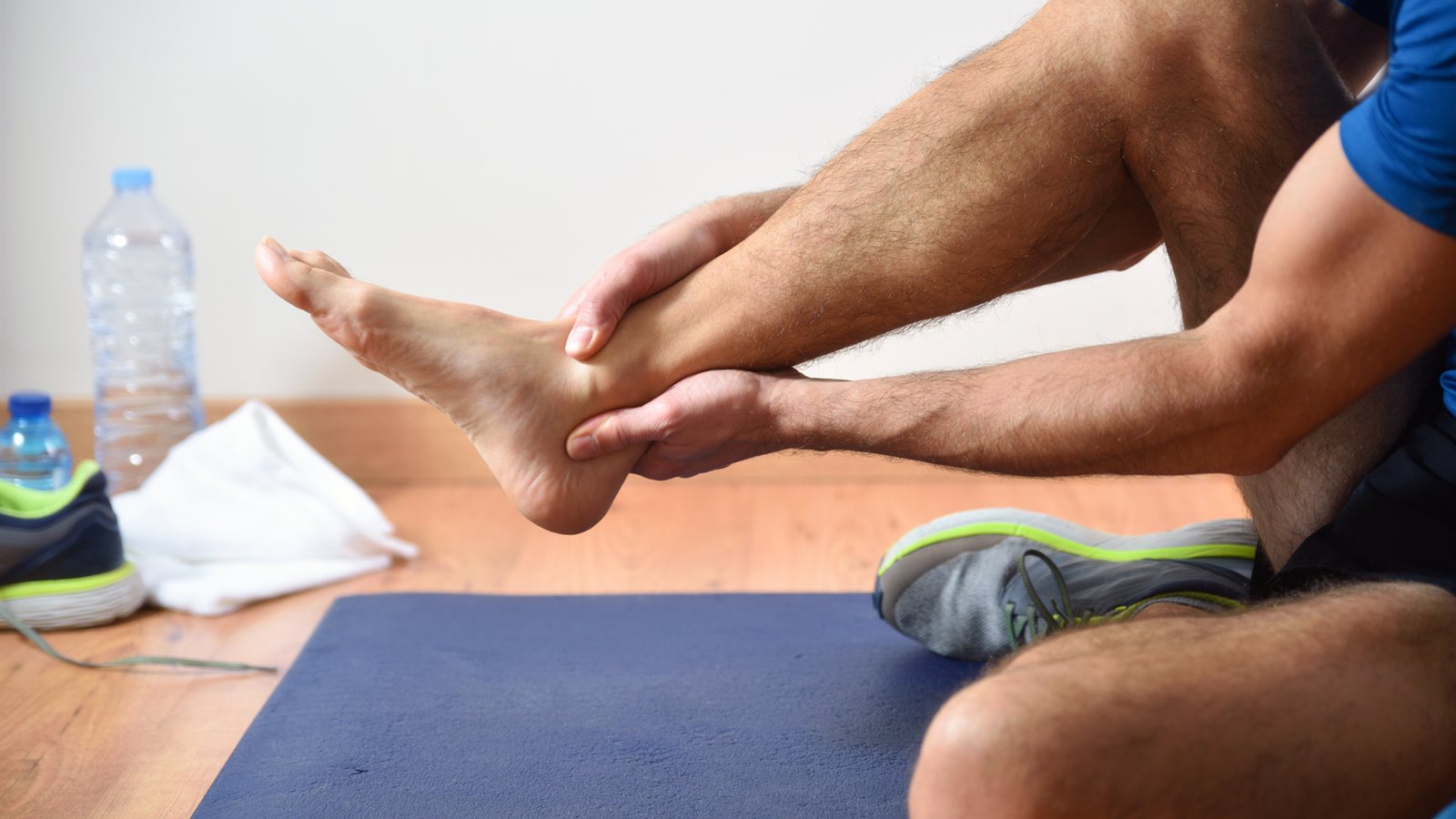
The foot and ankle are remarkable structures, made up of 26 bones, 33 joints and a complex network of muscles, tendons and ligaments, all working together to support the body's weight and provide the stability and flexibility needed for movement. Whether walking, running, jumping or simply standing, our feet and ankles are under constant load, making them among the most commonly injured areas of the body across all age groups and activity levels.
AVA Orthopaedics specialises in the assessment and treatment of foot and ankle injuries, tailoring each management plan to the individual patient. Our online video consultations are particularly well-suited to assessing, diagnosing, and managing foot and ankle conditions, allowing you to access orthopaedic care from the comfort of your own home. Whether your injury can be managed conservatively or requires surgical intervention, our team will guide you through every step of your recovery.
All conditions below are suitable for specialist online assessment at AVA Orthopaedics via secure video. No referral required for the Early Injury Assessment ($139). Excludes open wounds, severe deformity, active bleeding, and head/neck/back/chest/abdominal injuries. These require the Emergency Department first.
Conditions We Assess Online
Plantar fasciitis
Heel and arch pain from plantar fascia inflammation. Diagnosis confirmed, imaging arranged if indicated, and structured management plan including physiotherapy and footwear guidance.
Read the full guideAnkle ligament tear - Grade I
Microscopic ligament fibre disruption with minimal swelling and no instability. Specialist confirmation of grade, activity modification, and structured return-to-sport plan.
Read the full guideAnkle ligament tear - Grade II (partial tear)
Partial ligament disruption with moderate swelling, bruising, and some instability. Specialist assessment, imaging to exclude fracture, bracing guidance, and physiotherapy referral with clear return-to-sport milestones.
Read the full guideAnkle ligament tear - Grade III (complete rupture)
Complete ligament rupture with significant swelling, bruising, and functional instability. Specialist review of MRI findings, direction on surgical vs conservative management, and structured rehabilitation pathway.
Read the full guideStress fracture in the foot
Metatarsal, navicular, or calcaneal stress fractures in active individuals. Imaging review (MRI or CT where X-ray is insufficient), weight-bearing guidance, and structured return-to-load plan.
Read the full guideAnkle fracture (post-ED, stable / non-surgical)
Review of fracture type and management, boot or cast guidance, and recovery timeline.
Chronic ankle instability
Recurrent rolling after prior sprains. Assessment, imaging, and direction on rehabilitation vs surgical stabilisation.
Achilles tendinopathy
Mid-portion or insertional Achilles tendon pain. Imaging, structured load-management plan, and injection therapy discussion, where appropriate.
Achilles tendon rupture (suspected or confirmed)
Specialist assessment of partial vs complete rupture and clear direction on surgical vs conservative management pathway.
Read the full guideFifth metatarsal fracture (post-ED)
Including Jones fractures. Review of fracture type, boot vs cast, weight-bearing guidance, and surgical threshold discussion.
Peroneal tendon injury
Lateral ankle and peroneal tendon tear or tendinopathy. Imaging and management plan.
Lisfranc injury (post-ED)
Midfoot ligament or bony injury requiring specialist review of imaging and clear surgical vs non-surgical direction.
Get specialist direction on your injury
Book an online consultation and leave with a clear diagnosis, a structured plan, and your next step - without the wait.
Not suitable for online assessment: attend the Emergency Department first
- Open wounds or visible bone deformity
- Uncontrolled or heavy bleeding
- Severe deformity or inability to move a limb with no prior assessment
- High-impact trauma not yet seen in person
- Head, neck, back, chest, or abdominal injuries
- Loss of sensation or circulation in a limb
In an emergency, call 000 or attend your nearest Emergency Department.