.jpg)
A parent watches from the sideline as their teenager pivots awkwardly during a touch football match and crumples on the field. An adult player feels their knee buckle mid-game in recreational soccer. A driver braces against the dashboard during a low-speed collision. Each of these scenarios can produce a knee ligament injury, but the structures involved, the symptoms that follow, and the treatment required are often very different.
Knee ligament injuries are not interchangeable. The anterior cruciate ligament (ACL), medial collateral ligament (MCL) and posterior cruciate ligament (PCL) each have distinct roles, mechanisms of injury and management pathways. Identifying which ligament is affected is the essential first step toward appropriate treatment. AVA Orthopaedics offers timely online specialist consultations for patients across Australia, providing early assessments without the need to travel to a metropolitan clinic.
The Role of Knee Ligaments: A Brief Overview
Ligaments are strong bands of connective tissue that connect bone to bone and stabilise joints during movement. In the knee, ligaments work together to control how the femur, tibia and patella move in relation to one another, particularly during pivoting, landing and changes in direction.
Three ligaments are most commonly involved in injury:
- The ACL runs diagonally through the centre of the knee and controls forward translation and rotation of the tibia.
- The MCL sits on the inner side of the knee and resists inward (valgus) stress.
- The PCL runs behind the ACL and prevents backward translation of the tibia.
Damage to any one of these structures alters the biomechanics of the entire lower limb. Even partial injuries can affect gait, balance and load distribution across the cartilage and menisci. Accurate diagnosis by a knee ligament specialist or knee orthopaedic surgeon is the essential starting point. Without it, treatment risks being directed at the wrong structure.
Understanding the Different Types of Knee Ligament Injuries
ACL Injuries: The Most Recognised Sports Injury in Australian Sport
.jpg)
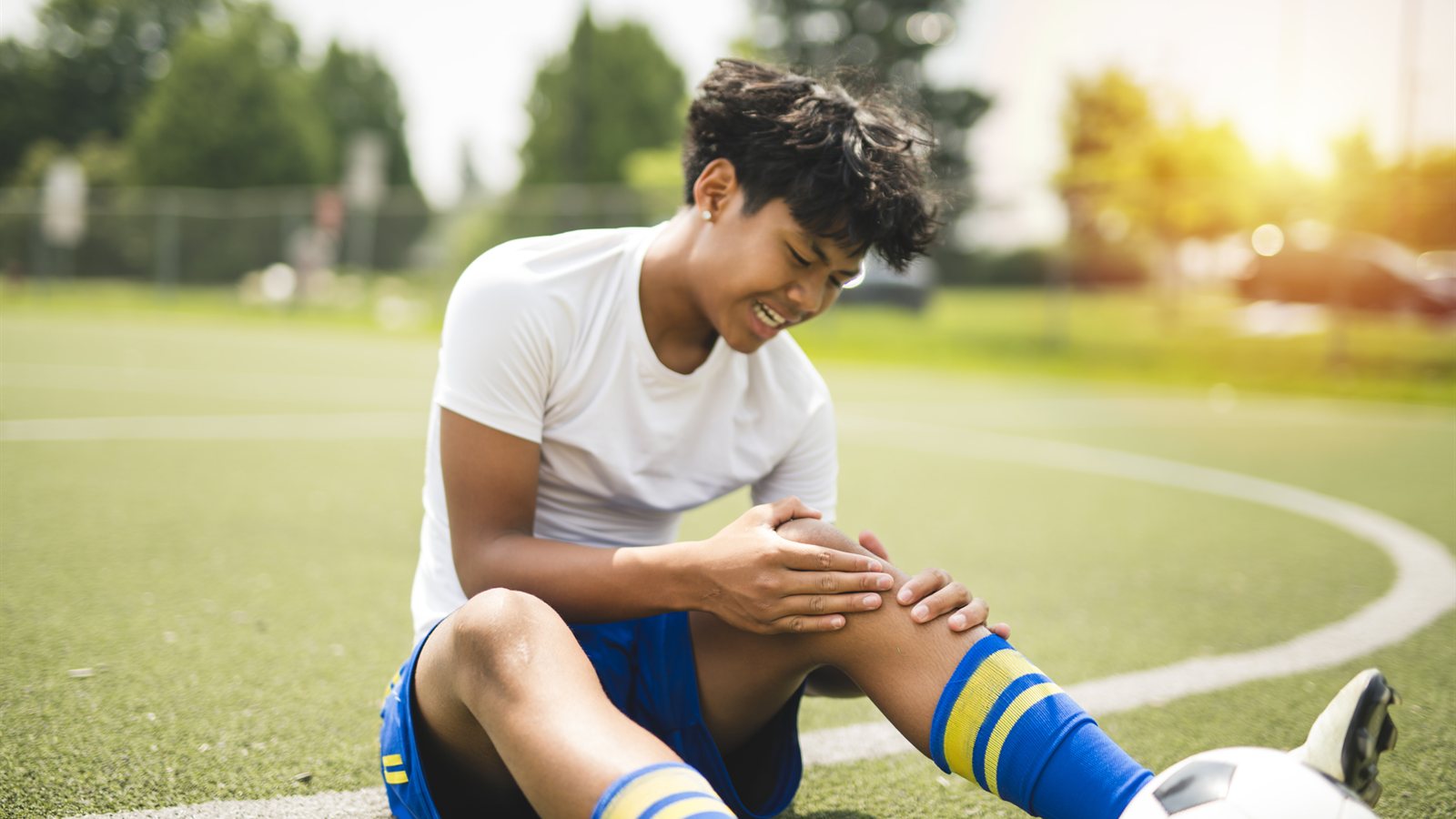
The ACL controls rotational stability and prevents the tibia from sliding forward relative to the femur. It is most commonly injured during non-contact pivoting, sudden deceleration or awkward landing from a jump. In Australia, the highest-risk sports include netball, AFL, soccer and basketball, all of which involve rapid changes in direction.
Typical symptoms include an audible pop at the moment of injury, rapid swelling within the first few hours (haemarthrosis, or blood in the joint), a sense of the knee giving way, and loss of range of motion. AVA Orthopaedics will take a detailed and structured clinical history and usually order an MRI to confirm the diagnosis and assess any associated meniscal or cartilage damage.
Treatment depends on the individual. Lower-demand patients may be managed with conservative rehabilitation focused on neuromuscular control and strength. Active patients and athletes typically proceed to arthroscopic surgical reconstruction. ACL tear recovery progresses through several stages: managing acute swelling, rebuilding quadriceps and hamstring strength, restoring functional movement, and meeting criteria-based milestones before return to sport. Recovery is milestone-driven rather than purely time-based, and ongoing specialist review remains important throughout.
MCL Injuries: The Most Common Knee Ligament Injury Overall
.jpg)
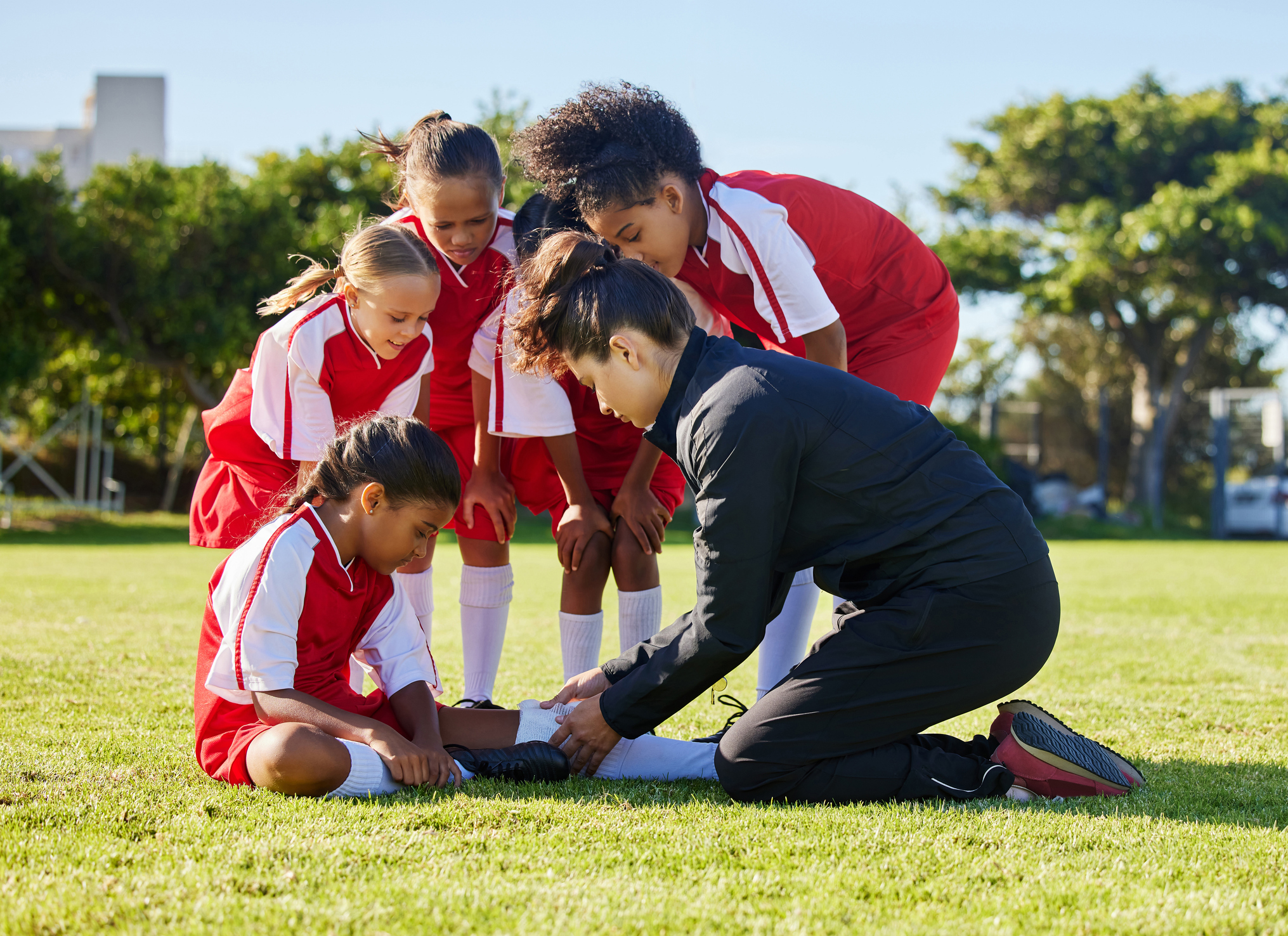
The MCL resists valgus (inward-directed) stress on the inner knee. It is most often injured by a direct blow to the outside of the knee, common in rugby, AFL and other contact sports, or by a fall that forces the knee inward.
Symptoms include medial-sided pain, swelling along the inner knee and instability with sideways movement. MCL injuries are graded from I (mild fibre disruption) through to III (complete rupture). The majority of isolated MCL injuries respond well to conservative management, and MCL tear treatment usually involves a structured physiotherapy program supported by a hinged knee brace in some cases. Surgical intervention is reserved for combined ligamentous injuries or cases involving bony avulsion fractures. Recovery timeframes vary significantly with grade, ranging from a few weeks for Grade I injuries to several months for Grade III.
PCL Injuries: The Most Frequently Missed Knee Ligament Injury
.jpg)
The PCL prevents the tibia from translating backward relative to the femur. It is most commonly injured by a direct blow to the front of a flexed knee (the classic "dashboard injury" in motor vehicle accidents) or by falling onto a plantarflexed foot. Because the symptoms can be subtle, PCL injuries are frequently overlooked in the acute setting and only identified once chronic posterior knee pain or instability develops.
Symptoms include posterior knee pain, a sense of instability when descending stairs and, in complete ruptures, a visible posterior sag of the tibia. Diagnosis is confirmed with MRI. Isolated Grade I and Grade II injuries usually respond well to quadriceps-focused conservative rehabilitation. Grade III injuries and combined ligamentous patterns may require surgical reconstruction.
How ACL, MCL and PCL Knee Injuries Compare
While these three injuries share the joint they occur in, they differ in several important ways:
- Mechanism: ACL injuries usually involve non-contact pivoting; MCL injuries follow a lateral blow; PCL injuries follow a direct posterior force on a flexed knee.
- Hallmark symptoms: ACL presents with an audible pop and rapid swelling; MCL with medial pain and valgus instability; PCL with posterior pain, often delayed in recognition.
- Diagnostic approach: All three rely on confirmation with MRI imaging.
- Primary treatment direction: ACL often surgical for active patients; MCL predominantly conservative; PCL conservative for lower grades, surgical for Grade III or combined injuries.
- General recovery timeframe: ACL reconstruction typically nine to twelve months before return to sport; MCL injuries weeks to a few months depending on grade; PCL injuries variable.
Symptom overlap between these injuries is common, and self-diagnosis is unreliable. Specialist assessment is required to identify the structures involved and to guide treatment appropriately.
Why Timely Assessment by a Knee Injury Specialist Matters
Untreated or misdiagnosed knee ligament injuries may progress to chronic instability, secondary meniscal damage and early-onset osteoarthritis. The earlier the correct diagnosis is made, the more options remain available and the more clearly the rehabilitation pathway can be structured.
A knee injury specialist provides accurate diagnosis, personalised treatment planning and coordination of multidisciplinary rehabilitation. Early specialist input supports better surgical planning where required, structured knee ligament recovery and a reduced risk of re-injury. For patients searching for a knee specialist, geography no longer needs to be a limiting factor. AVA Orthopaedics offers early online video consultations accessible from anywhere in Australia, providing specialist-level assessment without travel or extended wait times.
Unsure Which Ligament You Have Injured? Get a Specialist Opinion Online
Any suspected knee ligament injury, whether it followed a clear incident on the field or developed as ongoing knee pain after injury, should not be left without specialist input. Delay can complicate both diagnosis and recovery.
AVA Orthopaedics offers timely online video consultations for patients across Australia. Each consultation includes a detailed injury history, a structured symptom review, an interpretation of any existing imaging, and a personalised management plan.
Book an Online Knee Injury Assessment
Specialist Advice. Early Direction.